Casey Peters · 22 October 2026
Exploring Bearing Seal Integrity Challenges in Fleet Vehicles Operating Across Salt Treated Mountain Roads in Prolonged Cold Spells
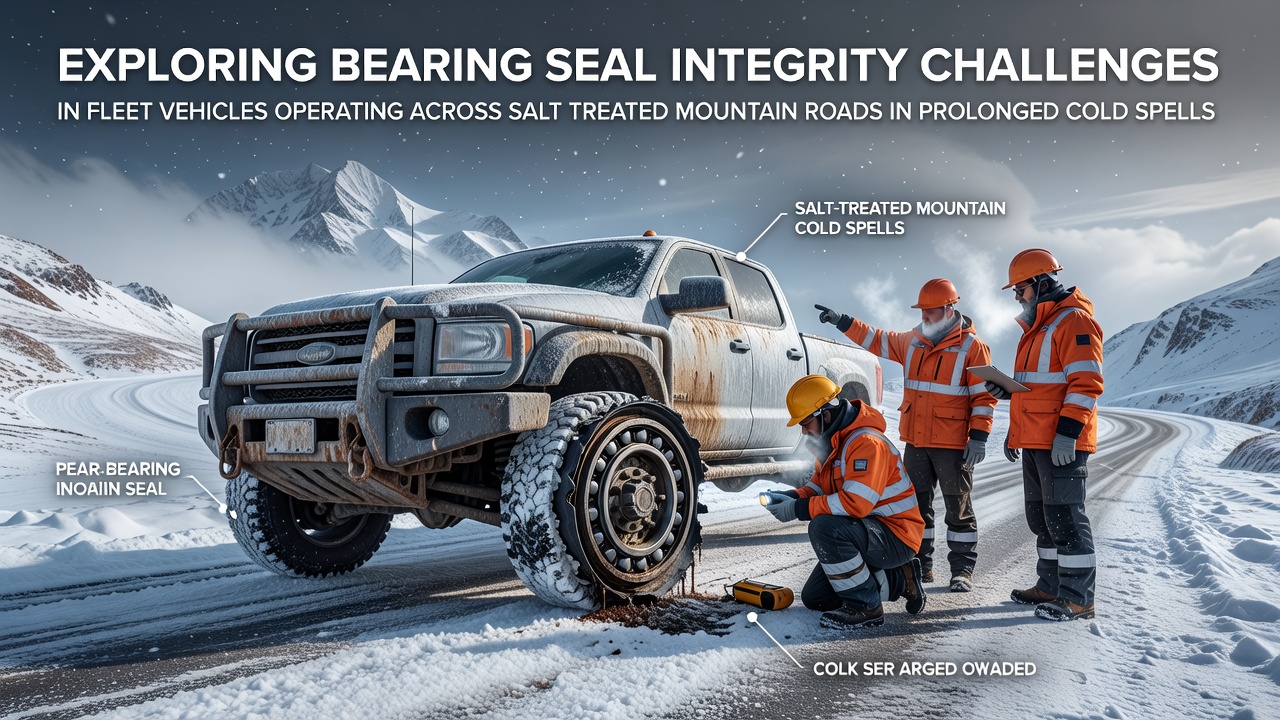
Operators of fleet vehicles that cross salt-treated mountain roads during extended cold periods encounter repeated stress on bearing seals which serve as the primary barrier against moisture and de-icing chemicals. These seals must maintain flexibility and adhesion while temperatures drop below freezing for weeks and road crews apply sodium chloride or magnesium chloride mixtures in high volumes. Data collected from mountain corridors in North America and Europe show that seal failures often appear first as minor lubricant seepage before progressing to contamination inside the bearing housing itself.
Material Behavior Under Combined Salt and Freeze Exposure
Elastomeric compounds used in standard bearing seals exhibit reduced elasticity once ambient temperatures remain below minus ten degrees Celsius for more than seventy-two hours. At the same time, salt spray reaches the seal lip through tire splash and wind currents generated by passing trucks. Laboratory tests conducted by transport research groups indicate that chloride ions accelerate micro-cracking in nitrile rubber formulations whereas fluoroelastomer blends demonstrate slower degradation rates yet higher material cost. Field records from fleets operating on routes such as those managed by the British Columbia Ministry of Transportation reveal that seal replacement intervals shorten by thirty percent during winters when salt application exceeds two hundred kilograms per lane kilometre.
Route Conditions That Accelerate Seal Wear
Mountain roads treated with salt experience cycles of surface wetting followed by rapid freezing which creates a slurry that adheres to undercarriage components. Vehicles traveling at sustained speeds above sixty kilometres per hour generate additional shear forces at the seal interface. Observers monitoring telemetry from heavy-duty trucks note that vibration amplitudes increase measurably once salt crystals accumulate around the wheel hub. In October 2026 several regional highway authorities began publishing weekly salt-load maps that correlate application rates with subsequent maintenance calls for bearing-related issues allowing fleet managers to anticipate higher inspection frequency on specific segments.
Inspection and Detection Practices Employed by Fleets
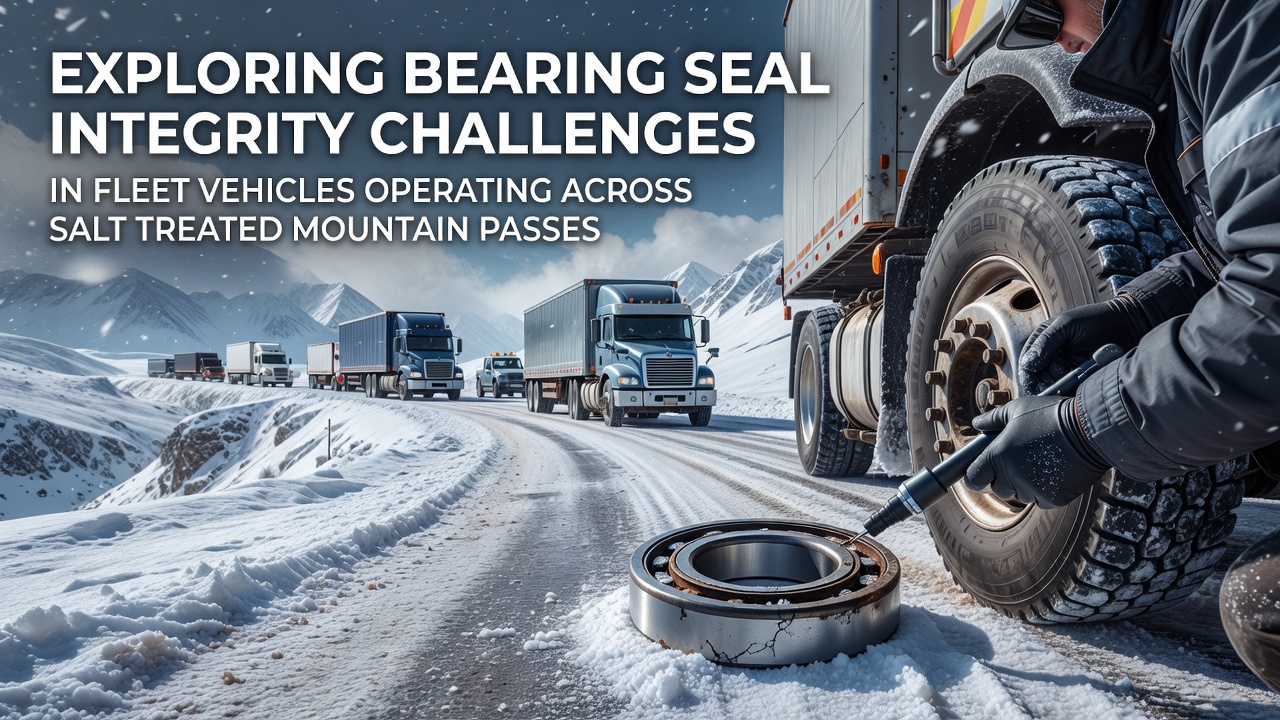
Technicians rely on visual checks for discoloration around the seal housing together with temperature readings taken at the hub after a run. Infrared thermography identifies hot spots that frequently precede seal breach because contaminated grease increases friction. Several operators have integrated pressure sensors inside the bearing cavity that alert drivers when internal pressure deviates from baseline values established during warm-weather calibration. According to guidelines issued by the Swedish Transport Administration these sensor thresholds are adjusted seasonally to account for thermal contraction of the seal material itself.
Documented Performance Data from Multiple Regions
Statistics compiled by the Federal Highway Administration in the United States show that bearing seal replacements on commercial vehicles rise sharply in states with prolonged winter maintenance programs. Parallel figures released by Transport Canada indicate similar patterns along the Trans-Canada Highway where cold spells lasting more than ten consecutive days coincide wth elevated parts orders. European data gathered by the Conference of European Directors of Roads further demonstrates that routes receiving magnesium chloride rather than sodium chloride experience marginally lower seal failure counts although the difference narrows after repeated freeze-thaw events.
Conclusion
Fleet operators continue to track seal performance through a combination of scheduled inspections sensor data and regional salt-application reports. Continued monitoring of material response under simultaneous salt exposure and sustained sub-zero temperatures supplies the information needed to adjust maintenance schedules and component specifications for vehicles that regularly traverse these demanding corridors.