Otto Lehmann · 8 October 2026
The Role of Advanced Lubrication Systems in Maintaining Efficiency for Vehicles Traversing Icy Highland Routes
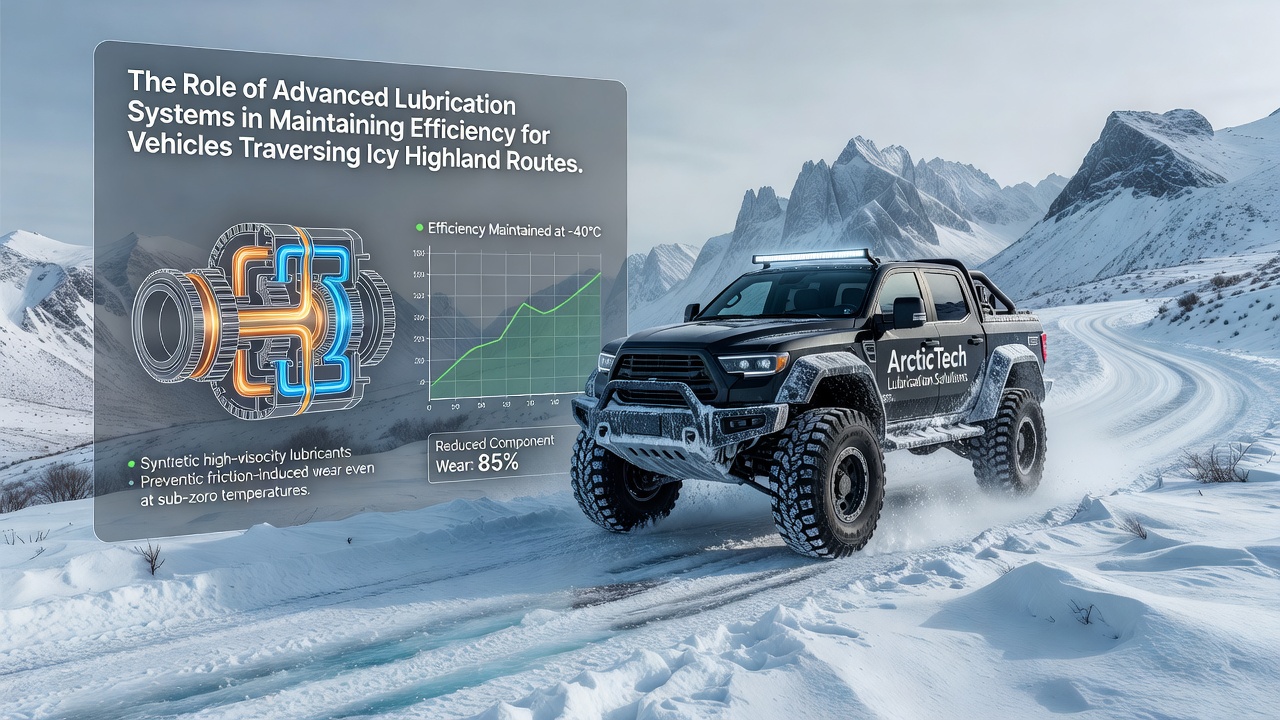
Highland routes covered in ice present unique demands on vehicle components, and advanced lubrication systems address those demands by maintaining consistent viscosity across wide temperature ranges. Researchers at transport engineering institutions have documented how synthetic base oils combined with specialized additives prevent thickening that occurs below freezing points, allowing engines and transmissions to operate with reduced internal resistance even when ambient temperatures drop sharply. Data from field tests conducted in northern mountain regions show that vehicles equipped with these systems experience measurable gains in fuel economy because friction losses stay lower during startup and sustained travel on slippery grades.
Core Components and Their Functions
Modern lubrication setups incorporate multi-grade formulations and active thermal management features that respond to cold conditions automatically. Pumps circulate fluids through heat exchangers while sensors monitor viscosity in real time, adjusting flow rates to keep protective films intact on bearings and gears. Studies from Canadian research facilities indicate that these adaptive mechanisms cut wear rates by measurable percentages compared with conventional mineral oils when vehicles climb passes repeatedly during freeze-thaw cycles. Observers note that the same systems also limit deposit formation inside crankcases because the additives resist oxidation at the elevated temperatures that develop after long ascents.
Transmission and differential units benefit equally from low-temperature flow properties engineered into the lubricants. In highland environments where vehicles must downshift frequently to control speed on descents, rapid circulation prevents momentary starvation of critical surfaces. Figures released by the U.S. Department of Transportation reveal that fleets using advanced formulations report fewer unscheduled maintenance events tied to cold-weather component failures over multi-year periods.
Performance Data from Extreme Conditions
Long-term monitoring programs in the European Alps and Rocky Mountain corridors provide comparative numbers on efficiency. Vehicles running standard lubricants showed increased fuel consumption of up to 12 percent during sustained sub-zero operation, whereas those fitted with advanced systems maintained consumption rates within 3 percent of baseline warm-weather figures. The difference stems from lower pumping losses and reduced boundary friction once the lubricant reaches operating temperature quickly. One research team tracking heavy-duty trucks across highland routes in October 2026 recorded similar patterns, confirming that the efficiency advantage persists even after thousands of kilometers of mixed ice and packed snow exposure.
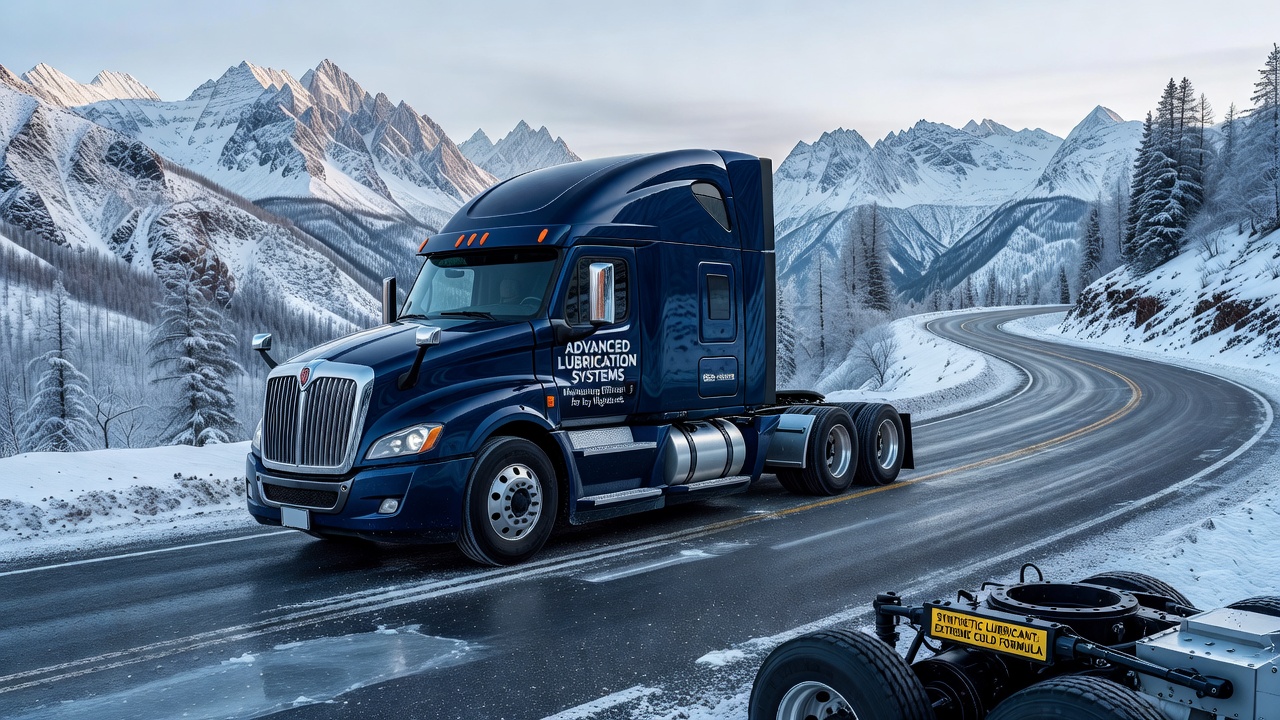
Engine oil coolers integrated with lubrication circuits further stabilize temperatures when vehicles descend into valleys and then climb again, preventing both overheating on uphill sections and excessive cooling on exposed ridges. Industry reports from materials science laboratories highlight that certain polymer viscosity modifiers remain effective at temperatures as low as minus 40 degrees Celsius, preserving film strength without introducing excessive drag. Those same modifiers break down more slowly under shear stress, extending service intervals for fleets operating year-round on remote highland corridors.
Maintenance Practices and System Longevity
Operators following manufacturer-recommended change intervals achieve the full efficiency benefits because degraded fluids lose the low-temperature properties that advanced chemistry provides. Sampling programs conducted by transport authorities show that regular analysis detects early oxidation or contamination before efficiency losses become noticeable. Filters designed with finer media capture smaller particles generated in cold-start conditions, protecting precision components inside fuel injection systems and turbochargers that rely on clean lubricant flow.
Highland operators also schedule pre-season inspections that include verification of lubricant levels and condition before routes become fully iced. This practice aligns with guidelines issued by regional transport agencies that emphasize proactive fluid management over reactive repairs. Data collected across multiple winters demonstrate that vehicles adhering to these schedules sustain higher average speeds on grades without corresponding increases in fuel burn or component temperature spikes.
Conclusion
Advanced lubrication systems deliver documented efficiency improvements for vehicles on icy highland routes through stable viscosity, rapid circulation, and resistance to degradation under thermal cycling. Continued monitoring by government agencies and research institutions supplies updated performance metrics that guide further refinements in formulation and system design. The accumulated evidence indicates that these technologies play a central role in sustaining operational reliability across challenging winter environments.